Personalized Learning Pathways: US Classrooms in 2025
Anúncios
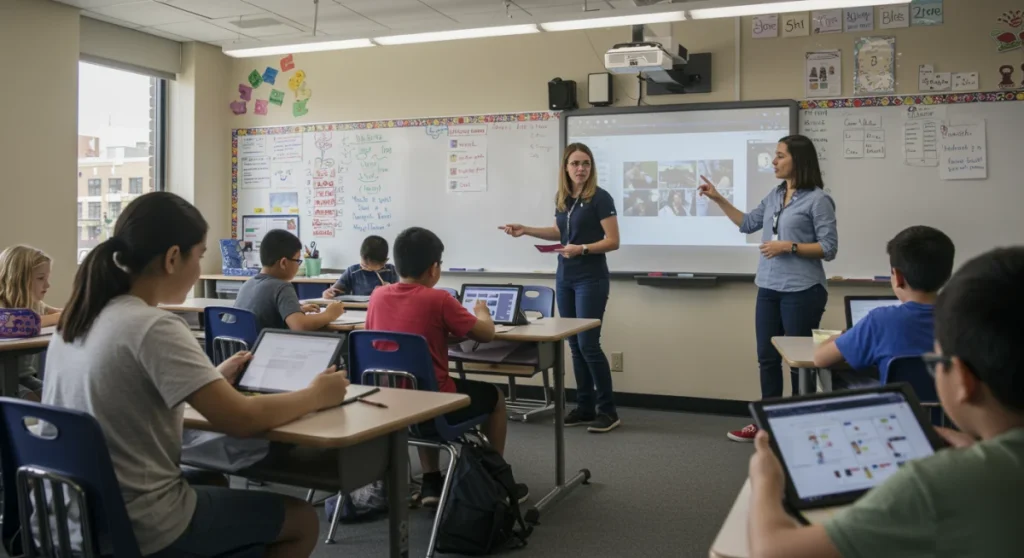
Personalized learning pathways in 2025 are revolutionizing US classrooms by dynamically adjusting educational content and pace to meet the unique academic and developmental needs of each student, ensuring more effective and equitable learning experiences.
The landscape of education is continuously evolving, and in 2025, a significant shift is underway in US classrooms: the widespread adoption of personalized learning pathways. This innovative approach moves beyond traditional one-size-fits-all models, instead focusing on tailoring educational experiences to meet the unique needs, interests, and learning styles of individual students. This article delves into the various facets of personalized learning, exploring its implementation, benefits, challenges, and the technological advancements making it possible across the United States.
Anúncios
Understanding personalized learning pathways
Personalized learning pathways represent a fundamental redesign of the educational experience. Rather than all students following the same curriculum at the same pace, these pathways allow for flexibility, enabling students to progress through material based on their mastery and individual requirements. This approach recognizes that every learner is different, possessing unique strengths, areas for growth, and preferred methods of engagement. It’s about empowering students to take ownership of their learning journey, supported by educators who act as facilitators and guides.
The core concept revolves around diagnostic assessment, continuous feedback, and adaptive resources. Educators utilize data to understand where each student stands and then customize content, instructional strategies, and learning environments accordingly. This can manifest in various forms, from individualized pacing to choice in learning activities and projects, ultimately aiming for deeper understanding and greater student success.
Anúncios
Key components of personalized learning
Several critical elements converge to create effective personalized learning pathways. These components work in synergy to provide a comprehensive and responsive educational system for each student.
- Learner Profiles: Detailed profiles capturing student strengths, weaknesses, interests, and learning styles.
- Personalized Learning Plans: Individualized roadmaps outlining goals, activities, and assessment methods.
- Flexible Pacing: Allowing students to move through content at their own speed, mastering concepts before advancing.
- Student Voice and Choice: Empowering students to select learning activities and demonstrate understanding in diverse ways.
In conclusion, understanding personalized learning pathways means recognizing a paradigm shift towards student-centered education. It is an intentional move to ensure that learning is not just delivered but is actively constructed and owned by each individual, preparing them for a future that demands adaptable and self-directed learners.
Technology as a catalyst for personalization
The widespread implementation of personalized learning pathways in 2025 would be largely unattainable without the significant advancements in educational technology. Technology serves as the backbone, providing the tools and infrastructure necessary to manage individualized student data, deliver adaptive content, and facilitate communication between students and educators. From sophisticated learning management systems (LMS) to AI-powered adaptive learning platforms, digital tools are transforming how educators design and deliver instruction.
These technologies allow for real-time tracking of student progress, identifying areas where a student might be struggling or excelling, and then automatically adjusting the learning path. This immediate feedback loop is crucial for effective personalization, ensuring that interventions or enrichment opportunities are provided precisely when needed. Furthermore, technology enables access to a vast array of digital resources, catering to diverse learning preferences and providing rich, multimedia content that can engage students more deeply than traditional textbooks alone.
Adaptive learning platforms and AI
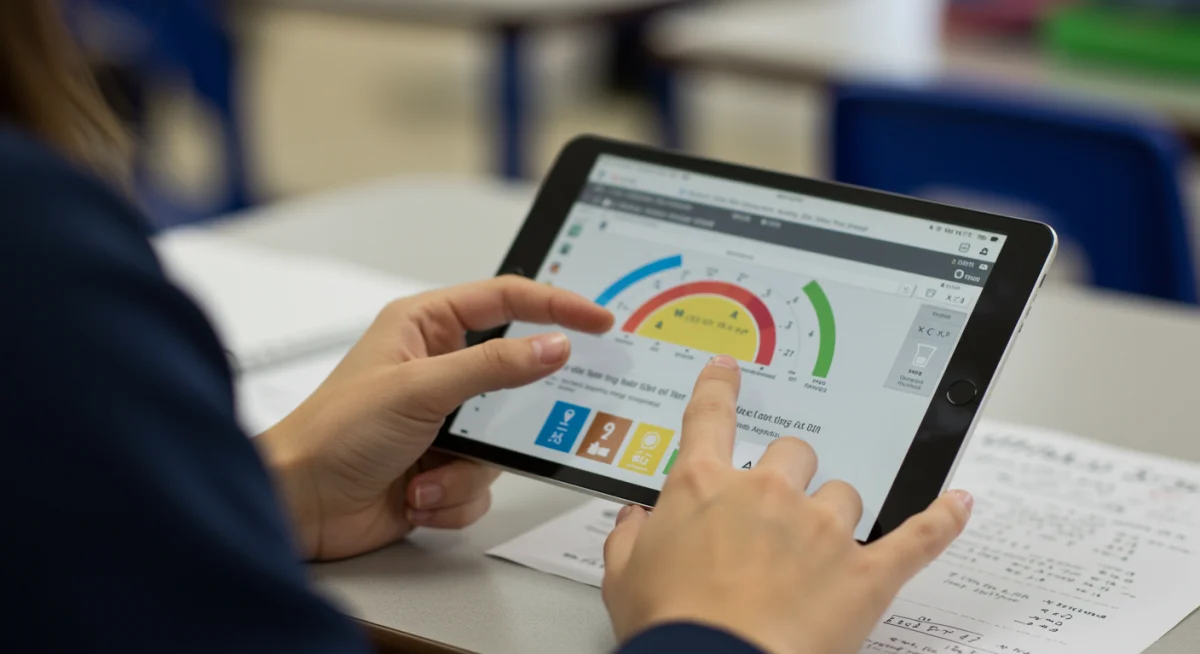
Adaptive learning platforms, often powered by artificial intelligence, are at the forefront of technological innovation in personalized education. These platforms analyze student interactions, performance data, and cognitive responses to dynamically adjust the difficulty, type, and sequence of educational content.
- Real-time Adjustments: Content adapts based on student performance in real-time.
- Targeted Practice: Provides additional practice in areas where students show weakness.
- Automated Feedback: Offers immediate and constructive feedback, guiding students to correct misunderstandings.
- Data-driven Insights: Generates comprehensive reports for educators on student progress and engagement.
The integration of technology into personalized learning pathways is not merely an enhancement; it is a fundamental enabler. It allows educators to scale personalized approaches to larger groups of students, providing the individualized attention that was once only possible in one-on-one tutoring settings. This technological foundation is key to the success and sustainability of personalized learning initiatives across US classrooms.
Implementation strategies in US classrooms
Implementing personalized learning pathways is a complex undertaking that requires careful planning, professional development, and a cultural shift within schools. US classrooms in 2025 are adopting a variety of strategies to successfully integrate these pathways, recognizing that there is no single blueprint for every school or district. The focus is on creating flexible frameworks that can be adapted to local contexts and student populations.
Many schools begin with pilot programs to test different personalized learning models and gather feedback from educators, students, and parents. This iterative process allows for continuous refinement and ensures that the chosen strategies are effective and sustainable. A critical aspect of implementation is empowering teachers with the necessary skills and resources, as their role transforms from traditional instructors to facilitators of individualized learning.
Professional development for educators
The success of personalized learning hinges on the preparedness of educators. Extensive professional development is essential to equip teachers with the pedagogical knowledge and technological proficiency required for this new approach.
- Curriculum Design: Training in creating and adapting personalized learning plans.
- Data Analysis: Skills in interpreting student data to inform instructional decisions.
- Technology Integration: Proficiency in using adaptive platforms and digital tools.
- Facilitation Skills: Shifting from lecturing to guiding and mentoring students.
Furthermore, many districts are fostering collaborative environments where teachers can share best practices, troubleshoot challenges, and collectively innovate. This community of practice approach ensures that educators feel supported and confident in their ability to implement personalized learning effectively. The implementation of personalized learning pathways is thus a continuous journey of learning and adaptation for the entire educational community.
Benefits for student engagement and outcomes
The shift towards personalized learning pathways is driven by compelling evidence of its positive impact on student engagement and academic outcomes. When learning is tailored to individual needs, students are more likely to feel a sense of ownership over their education, leading to increased motivation and deeper learning. This approach addresses the diverse developmental stages and prior knowledge levels present in any classroom, ensuring that no student is left behind or held back.
Students in personalized learning environments often exhibit higher levels of critical thinking, problem-solving skills, and self-regulation. They learn how to set goals, monitor their progress, and seek help when needed, all of which are invaluable skills for lifelong learning. Furthermore, by allowing students to explore topics of personal interest, personalized pathways can reignite a passion for learning that might be stifled in more rigid educational settings.
Improved academic performance
Data from schools implementing personalized learning models consistently show improvements in academic performance across various subjects and grade levels. These improvements are often attributed to the targeted instruction and timely interventions that personalized pathways enable. Students receive support precisely where they need it, reinforcing foundational concepts before moving on to more complex material.
Beyond test scores, personalized learning also fosters a growth mindset, where students view challenges as opportunities for learning rather than indicators of failure. This resilience is a crucial factor in long-term academic and personal success. The benefits extend beyond the individual, contributing to a more dynamic and effective learning community overall, reflecting a significant step forward in preparing students for future challenges.
Challenges and considerations for widespread adoption
While the benefits of personalized learning pathways are clear, their widespread adoption in US classrooms is not without challenges. Implementing such a transformative approach requires significant investment in technology, professional development, and ongoing support for educators. Funding can be a major hurdle, particularly for under-resourced districts that may struggle to acquire the necessary digital tools and infrastructure.
Another significant consideration is the capacity of teachers to manage highly individualized learning plans for a diverse group of students. This demands a shift in pedagogical approach and classroom management strategies, which can be overwhelming without adequate training and support. Furthermore, concerns around data privacy and the ethical use of student data collected by learning platforms must be carefully addressed to maintain trust and ensure student well-being.
Equity and access
Ensuring equitable access to personalized learning resources is paramount. The digital divide, where some students lack reliable internet access or personal devices at home, can exacerbate existing inequalities. Schools must proactively address these disparities to ensure that personalized learning benefits all students, regardless of their socioeconomic background.
- Bridging the Digital Divide: Providing devices and internet access to all students.
- Inclusive Design: Ensuring platforms and content are accessible for students with disabilities.
- Cultural Relevance: Adapting content to be culturally responsive and inclusive.
- Teacher Workload: Managing the increased planning and instructional demands on educators.
Addressing these challenges requires a concerted effort from policymakers, school administrators, technology providers, and the community. Overcoming these hurdles is essential for personalized learning pathways to truly revolutionize education and create a more equitable and effective learning environment for all students in the United States.
The future of personalized learning in US education
Looking ahead to 2025 and beyond, personalized learning pathways are poised to become an increasingly integral part of US education. The momentum behind this movement is strong, driven by a growing understanding of student diversity and the potential of technology to create truly individualized learning experiences. The focus will continue to be on refining adaptive technologies, enhancing teacher training, and developing robust frameworks for implementation that are both scalable and sustainable.
We can anticipate a future where AI and machine learning play an even more sophisticated role, not just in adapting content but also in providing predictive analytics to identify students at risk and proactively offer support. The role of the teacher will evolve further, becoming even more focused on mentorship, socio-emotional development, and fostering critical thinking skills, while technology handles much of the content delivery and basic assessment.
Emerging trends and innovations
Several emerging trends are shaping the future of personalized learning, promising even more dynamic and responsive educational environments.
- Gamification: Integrating game-like elements to increase engagement and motivation.
- Virtual and Augmented Reality: Creating immersive learning experiences that cater to diverse learning styles.
- Competency-Based Education: Shifting focus from seat time to demonstrated mastery of skills and knowledge.
- Interdisciplinary Learning: Connecting subjects in meaningful ways that reflect real-world challenges.
The future of personalized learning in US education is bright, promising a system that is more responsive, equitable, and effective in preparing students for the complexities of the 21st century. By embracing these innovations and addressing ongoing challenges, personalized learning pathways have the potential to unlock every student’s full potential.
| Key Aspect | Brief Description |
|---|---|
| Student-Centered Approach | Education tailored to individual student needs, interests, and learning styles. |
| Technology Integration | Utilizes adaptive platforms and AI for dynamic content delivery and progress tracking. |
| Enhanced Engagement | Fosters greater student motivation, ownership, and deeper understanding. |
| Challenges & Equity | Requires significant investment, teacher training, and addressing the digital divide. |
Frequently Asked Questions about Personalized Learning
Personalized learning pathways are educational approaches that tailor curriculum, instruction, and assessment to meet the individual needs, interests, and learning styles of each student. This involves flexible pacing, customized content, and student choice in learning activities, often facilitated by technology to optimize educational outcomes.
In 2025, technology is crucial for personalized learning by providing adaptive learning platforms, AI-powered tools, and sophisticated learning management systems. These tools offer real-time progress tracking, deliver customized content, and provide immediate feedback, enabling educators to manage and optimize individual learning journeys effectively.
Personalized learning significantly boosts student engagement, motivation, and academic performance. Students gain a deeper understanding of concepts, develop critical thinking skills, and learn self-regulation. It also fosters a growth mindset, preparing them for lifelong learning and future challenges by addressing their unique strengths and weaknesses.
Key challenges include securing adequate funding for technology and infrastructure, providing comprehensive professional development for teachers, and addressing the digital divide to ensure equitable access. Managing data privacy and adapting classroom management strategies also require careful consideration for successful implementation across diverse school environments.
Personalized learning is expected to integrate more sophisticated AI and machine learning for predictive analytics and highly tailored support. The focus will expand to include gamification, virtual reality, and competency-based models, further enhancing immersive and effective educational experiences while empowering teachers in their evolving roles as mentors.
Conclusion
The journey towards fully realizing personalized learning pathways in US classrooms by 2025 is both ambitious and transformative. It represents a profound commitment to recognizing and nurturing the individual potential within every student. While significant challenges remain, particularly around funding, teacher training, and equitable access, the undeniable benefits in terms of student engagement, academic outcomes, and the development of essential 21st-century skills continue to drive this educational evolution. As technology advances and pedagogical strategies mature, personalized learning is set to redefine what is possible in education, creating a more dynamic, inclusive, and effective learning environment for generations to come.
