New Federal Student Loan Repayment Options 2026: A Practical Guide

Anúncios
The new federal student loan repayment options for 2026 introduce significant changes designed to offer more flexible and affordable paths for borrowers to manage their debt and achieve financial stability.
Navigating the complexities of student loan repayment can be daunting, but with the upcoming changes in 2026, borrowers have a unique opportunity to reassess their financial strategies. This article provides a comprehensive overview of the new federal student loan repayment options for 2026, offering practical insights to help you make informed decisions about your educational debt.
Anúncios
Understanding the Landscape of Federal Student Loans
Federal student loans are a cornerstone of financial aid for millions of Americans pursuing higher education. Unlike private loans, federal loans often come with more flexible repayment plans, fixed interest rates, and borrower protections. The federal government periodically reviews and updates these programs to better serve the evolving needs of students and graduates.
The changes slated for 2026 are a direct response to the increasing burden of student debt and a recognition of the need for more sustainable repayment solutions. These updates aim to simplify the process, reduce monthly payments for many, and provide clearer pathways to loan forgiveness. Understanding the fundamental types of federal loans and their current structures is the first step toward appreciating the impact of these new options.
Anúncios
Key Types of Federal Student Loans
- Direct subsidized loans: For undergraduate students with demonstrated financial need; interest is paid by the Department of Education while in school and during grace periods.
- Direct unsubsidized loans: Available to undergraduate and graduate students; financial need is not a requirement, and interest accrues from the time the loan is disbursed.
- Direct PLUS loans: For graduate or professional students and parents of dependent undergraduates; creditworthiness is a factor, and these loans have higher interest rates.
The upcoming changes in 2026 will primarily affect the repayment plans available for these direct federal loans, offering new avenues for borrowers to manage their obligations. It’s crucial for current and future borrowers to familiarize themselves with these foundational loan types as they will interact with the new repayment frameworks.
The SAVE Plan: A Precursor to 2026 Innovations
Before diving into the full scope of 2026’s changes, it’s important to acknowledge the SAVE Plan (Saving on a Valuable Education), which was introduced as an improvement to the Revised Pay As You Earn (REPAYE) plan. The SAVE Plan has already begun to reshape how borrowers approach their federal student loan debt, and many of its principles are expected to influence the 2026 options.
The SAVE Plan offers a more affordable income-driven repayment (IDR) option by calculating monthly payments based on a smaller portion of a borrower’s discretionary income and preventing interest capitalization in certain scenarios. This plan is designed to be more generous than previous IDR options, particularly for low-income borrowers. Its implementation serves as a crucial bridge to the broader reforms anticipated in 2026, setting a precedent for borrower-friendly policies.
How the SAVE Plan Works
Under the SAVE Plan, monthly payments are typically calculated as a percentage of your discretionary income. For undergraduate loans, this percentage is 5% of your discretionary income, while for graduate loans, it’s 10%. A key benefit is that if your calculated payment doesn’t cover the monthly interest, the government covers the remaining interest, preventing your loan balance from growing.
This protection against interest capitalization is a significant relief for many borrowers who have seen their loan balances increase despite making consistent payments. The SAVE Plan also offers a faster path to loan forgiveness for those with lower original loan balances. These features are strong indicators of the direction the federal government is taking with student loan repayment, emphasizing affordability and debt relief.
Key Components of the New Repayment Options for 2026
The year 2026 promises significant overhauls to the federal student loan repayment landscape. While specific legislative details are still being finalized, the general direction points towards a more streamlined and equitable system. The core aim is to simplify the existing array of repayment plans, making them easier to understand and more accessible for borrowers struggling with high debt loads.
Expect to see a consolidation of some existing income-driven repayment plans, potentially leading to fewer, but more robust, options. This simplification is intended to reduce confusion and ensure that borrowers can more easily identify the plan that best suits their financial situation. Furthermore, there’s a strong emphasis on reducing the financial burden for low-income individuals and those in public service roles.
Anticipated Enhancements and Streamlining
- Simplified IDR options: Fewer, clearer income-driven repayment plans to choose from, making enrollment and understanding easier.
- Increased income protection: A higher percentage of income may be protected from discretionary income calculations, leading to lower monthly payments for many.
- Faster forgiveness timelines: Potential for earlier loan forgiveness for certain groups of borrowers, especially those with lower original loan balances or in specific professions.
These anticipated changes reflect a commitment to creating a more sustainable and less stressful student loan system. The goal is not just to collect debt, but to ensure that borrowers can manage their payments without sacrificing their ability to build a stable financial future.
Eligibility and Enrollment for the 2026 Plans
Understanding who qualifies for the new repayment options and how to enroll will be paramount for borrowers. While specific eligibility criteria will be detailed closer to 2026, it’s safe to assume that these plans will primarily target federal student loan borrowers, particularly those with Direct Loans. Borrowers with Federal Family Education Loan (FFEL) Program loans or Perkins Loans may need to consolidate them into a Direct Consolidation Loan to become eligible.
The enrollment process is expected to be more user-friendly, building on improvements made with the SAVE Plan. Borrowers will likely need to provide updated income and family size information annually to ensure their payments accurately reflect their financial circumstances. Staying informed through official Department of Education channels will be critical for timely enrollment and maximizing benefits.
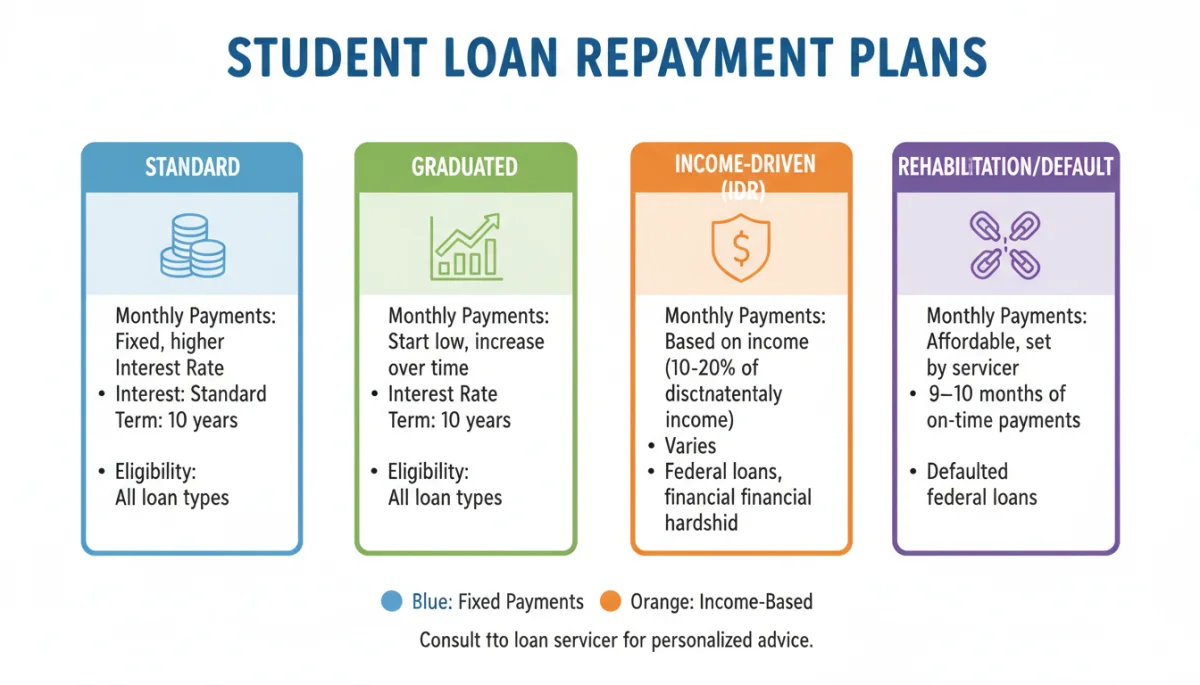
Proactive engagement with loan servicers and the Federal Student Aid website will be essential. Don’t wait until 2026 to start gathering your financial documents or to consider your current repayment strategy. Early preparation can help ensure a smooth transition to the new, potentially more beneficial, options.
Steps to Prepare for Enrollment
- Review your loan types: Confirm if your loans are federal Direct Loans or other types that may require consolidation.
- Gather financial documentation: Have your most recent tax returns and income statements readily available.
- Stay updated: Regularly check the Federal Student Aid website for official announcements and detailed eligibility requirements.
Being prepared will allow you to quickly assess which new plan is right for you and to enroll efficiently, ensuring you take full advantage of the opportunities presented by the 2026 reforms.
The Impact on Different Borrower Groups
The new federal student loan repayment options for 2026 are designed to have a broad impact, but certain borrower groups are likely to experience more significant benefits. Low-income borrowers, those with high debt-to-income ratios, and individuals pursuing public service careers are often at the forefront of policy changes aimed at debt relief. The anticipated changes will likely offer more substantial relief through lower monthly payments and accelerated paths to forgiveness for these groups.
For recent graduates entering the workforce, these new options could mean a less burdensome transition into financial independence. The focus on protecting more discretionary income means that entry-level salaries may result in very low, or even zero, monthly payments, providing crucial breathing room during the initial years of their careers. This can significantly reduce the stress associated with starting out with substantial student debt.
Benefits for Specific Demographics
- Low-income borrowers: Expected to see significantly reduced monthly payments, potentially as low as $0, due to increased income protection.
- Public service workers: Enhanced pathways to Public Service Loan Forgiveness (PSLF), possibly with more flexible eligibility criteria or faster forgiveness timelines.
- Borrowers with large balances: While all borrowers benefit, those with particularly high loan amounts relative to their income may find the new IDR options provide a more manageable long-term solution, preventing balances from ballooning due to interest.
Conversely, borrowers with higher incomes or those who have already made substantial progress on their loans under existing plans might find the changes less impactful, though simplification and clarity can still offer advantages. The overall goal is to create a more equitable system that supports economic mobility for all.
Navigating Your Repayment Strategy: Tips for 2026 and Beyond
With the federal student loan repayment options set to evolve in 2026, developing a proactive and informed repayment strategy is more important than ever. It’s not just about selecting a plan; it’s about integrating your loan management into your broader financial goals. Start by thoroughly understanding your current loan portfolio: know your principal balances, interest rates, and the types of loans you hold. This foundational knowledge will be invaluable when assessing the new options.
Consider your long-term financial aspirations. Are you planning to buy a home, start a family, or pursue further education? Your student loan strategy should align with these goals. The new plans may offer flexibility that allows for greater financial freedom in other areas of your life, but only if you choose wisely. Don’t hesitate to utilize resources like the Federal Student Aid website’s loan simulator tool to project how different plans might affect your payments and overall debt burden.
Essential Tips for Strategic Repayment
To effectively navigate the upcoming changes, consider these practical tips:
- Re-evaluate your budget: Understand your current income and expenses to determine how much you can realistically allocate to loan payments.
- Consult with a financial advisor: A professional can offer personalized advice based on your unique financial situation and future goals.
- Stay engaged with official communications: The Department of Education and your loan servicer will provide critical updates; ensure your contact information is current.
- Explore consolidation if applicable: If you have older loan types, consolidation into a Direct Loan might open doors to the new repayment options.
By taking these steps, you can position yourself to make the most advantageous decisions regarding your federal student loans, ensuring a smoother financial journey in 2026 and beyond.
Potential Challenges and Considerations
While the new federal student loan repayment options for 2026 promise significant improvements, borrowers should also be aware of potential challenges and considerations. Any major reform can introduce complexities, and it’s important to approach these changes with a clear understanding of both the benefits and potential drawbacks. One common challenge can be the initial confusion surrounding new terminology and updated application processes. While simplification is a goal, adapting to new systems always requires an adjustment period.
Another consideration is how these changes might interact with state-specific programs or employer-based repayment assistance. Borrowers should investigate whether any local or private aid they receive could be affected by changes to federal repayment plans. Additionally, while loan forgiveness is a key feature of many IDR plans, it’s important to remember that forgiven amounts may be considered taxable income by the IRS, unless specifically exempted by legislation.
Important Factors to Keep in Mind
When preparing for the 2026 changes, consider these points:
- Tax implications of forgiveness: Understand if forgiven loan amounts will be subject to income tax and plan accordingly.
- Interaction with other aid: Verify how new federal plans might affect any state or private financial assistance you currently receive.
- Communication with servicers: Ensure you maintain open communication with your loan servicer to clarify any doubts and confirm your enrollment status.
By anticipating these challenges and proactively seeking information, borrowers can mitigate potential issues and ensure a seamless transition to the new repayment landscape.
| Key Aspect | Brief Description |
|---|---|
| SAVE Plan Influence | Serves as a model for 2026 changes, emphasizing lower payments and interest protection. |
| Simplified IDRs | Consolidation of existing income-driven repayment options for clarity and ease of use. |
| Increased Income Protection | Higher percentage of income shielded from payment calculations, leading to lower monthly payments. |
| Faster Forgiveness Paths | Potential for earlier loan forgiveness for specific borrower groups, including public service workers. |
Frequently Asked Questions About 2026 Student Loan Changes
The main goals are to simplify repayment plans, reduce monthly payment burdens for many borrowers, prevent interest capitalization, and offer clearer, faster pathways to loan forgiveness, particularly for low-income individuals and public service workers.
The new options are expected to streamline existing IDR plans, potentially consolidating them into fewer, more transparent choices. They will likely increase income protection thresholds, leading to lower payments, and offer more generous interest subsidies than current plans.
Generally, borrowers with federal Direct Loans will be eligible. Those with older loan types, such as FFEL Program loans or Perkins Loans, may need to consolidate them into a Direct Consolidation Loan to qualify for the new benefits and repayment structures.
Yes, it’s anticipated that the new plans will complement and potentially enhance PSLF. Changes could include more flexible criteria or accelerated forgiveness timelines for public service workers, making it easier for eligible individuals to achieve debt relief.
Borrowers should review their current loan types, gather financial documentation, and stay informed through official Federal Student Aid communications. Consulting a financial advisor and using the loan simulator tool can also help in strategic planning.
Conclusion
The upcoming changes to the federal student loan repayment options for 2026 represent a significant evolution in how educational debt is managed in the United States. These reforms aim to provide a more practical and sustainable solution for millions of borrowers, offering clearer pathways to financial stability and debt relief. By simplifying repayment plans, increasing income protection, and potentially accelerating forgiveness timelines, the government is striving to alleviate the burden of student debt. For borrowers, the key to success lies in proactive engagement: staying informed, understanding eligibility, and strategically planning for these new opportunities. Embracing these changes with a well-thought-out approach can transform the challenge of student loans into a manageable part of your financial journey, opening doors to a more secure future.
